Why Good Design Starts Before Building Begins
One of the most common things we hear from clients once a project is complete is:
“We wish we’d involved you sooner.”
When planning a renovation, extension or new kitchen, it is natural to focus on planning applications, construction and finishes. However, many of the decisions that have the greatest impact on how a home feels are often made long before building work begins.
Thoughtful design helps establish how a home will function, how spaces connect and how everyday life will be supported. By considering these elements early in the process, it becomes possible to create homes that feel more intuitive, practical and enjoyable to live in for years to come.
Understanding How People Want to Live
Every successful project begins with understanding the people who will use the space.
Before layouts are finalised or materials are selected, it is important to consider how a home is used day to day. How does the family move through the space? Where do people naturally gather? What frustrations exist within the current layout? What could work better?
These conversations often reveal opportunities that extend far beyond the original brief. A kitchen renovation may become an opportunity to improve circulation throughout the ground floor. An extension may create a chance to introduce better connections between the home and garden. Small changes to the layout can often have a significant impact on how a space functions.
By taking the time to understand how people live, design decisions can be made with greater confidence from the very beginning.
Looking Beyond Individual Rooms
One of the most valuable aspects of early design thinking is the ability to consider the home as a whole rather than focusing on individual rooms in isolation.
A kitchen does not exist independently from the dining area. A hallway influences how a living space is experienced. Storage requirements affect room layouts long before cabinetry is designed.
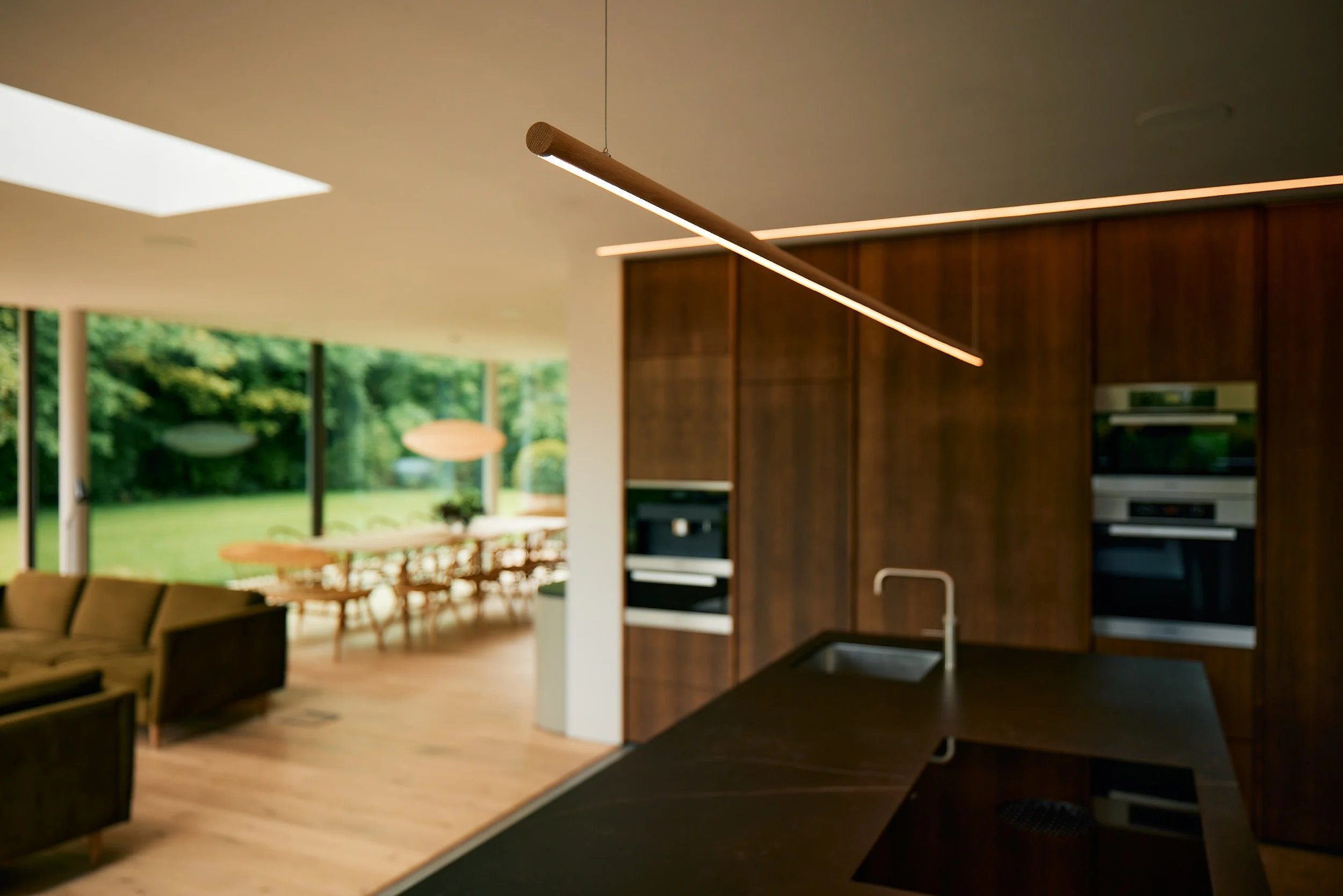
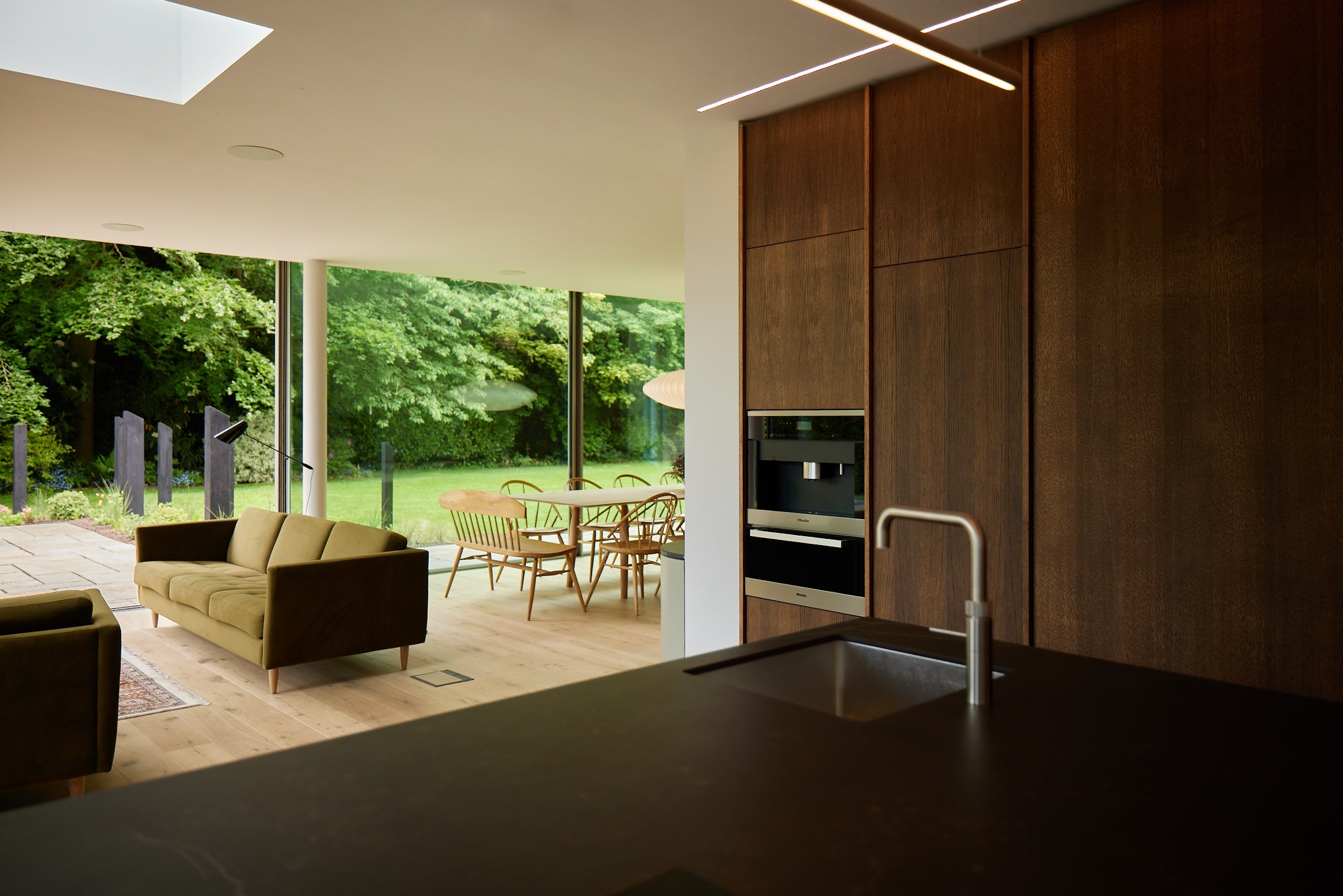
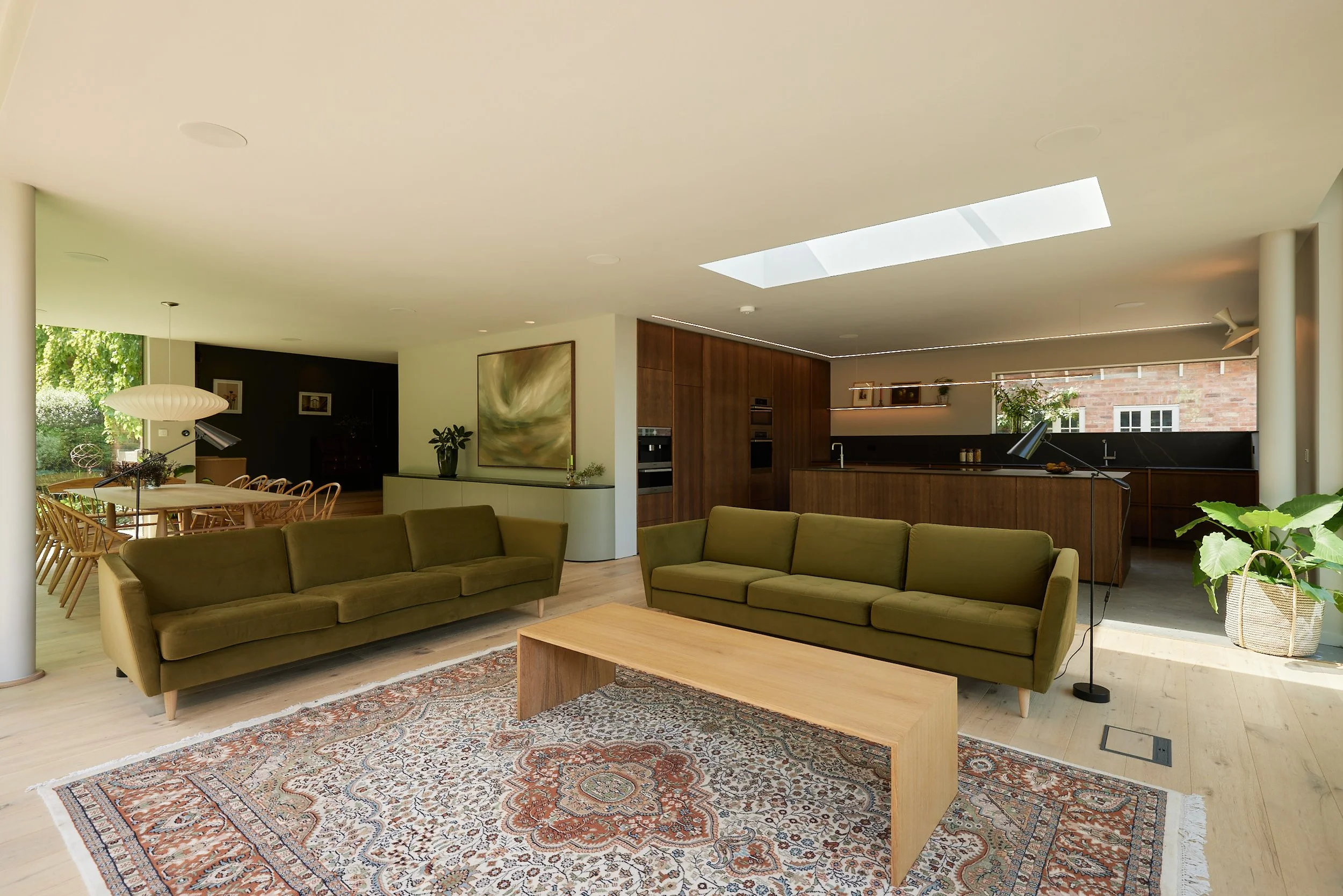
At Wynstay House in Nottinghamshire, careful consideration was given to how the kitchen, dining and living spaces would connect. The resulting interior feels open and cohesive, with each area flowing naturally into the next while retaining its own identity.
When these relationships are considered early, spaces tend to feel more balanced and intuitive once complete.
Considering Light, Layout and Joinery Together
Many of the most successful interiors are shaped by decisions that are largely invisible once a project is complete.
Natural light, circulation, storage and joinery all influence how a space functions and feels. When considered together from the outset, these elements can support one another rather than compete for space later in the process.
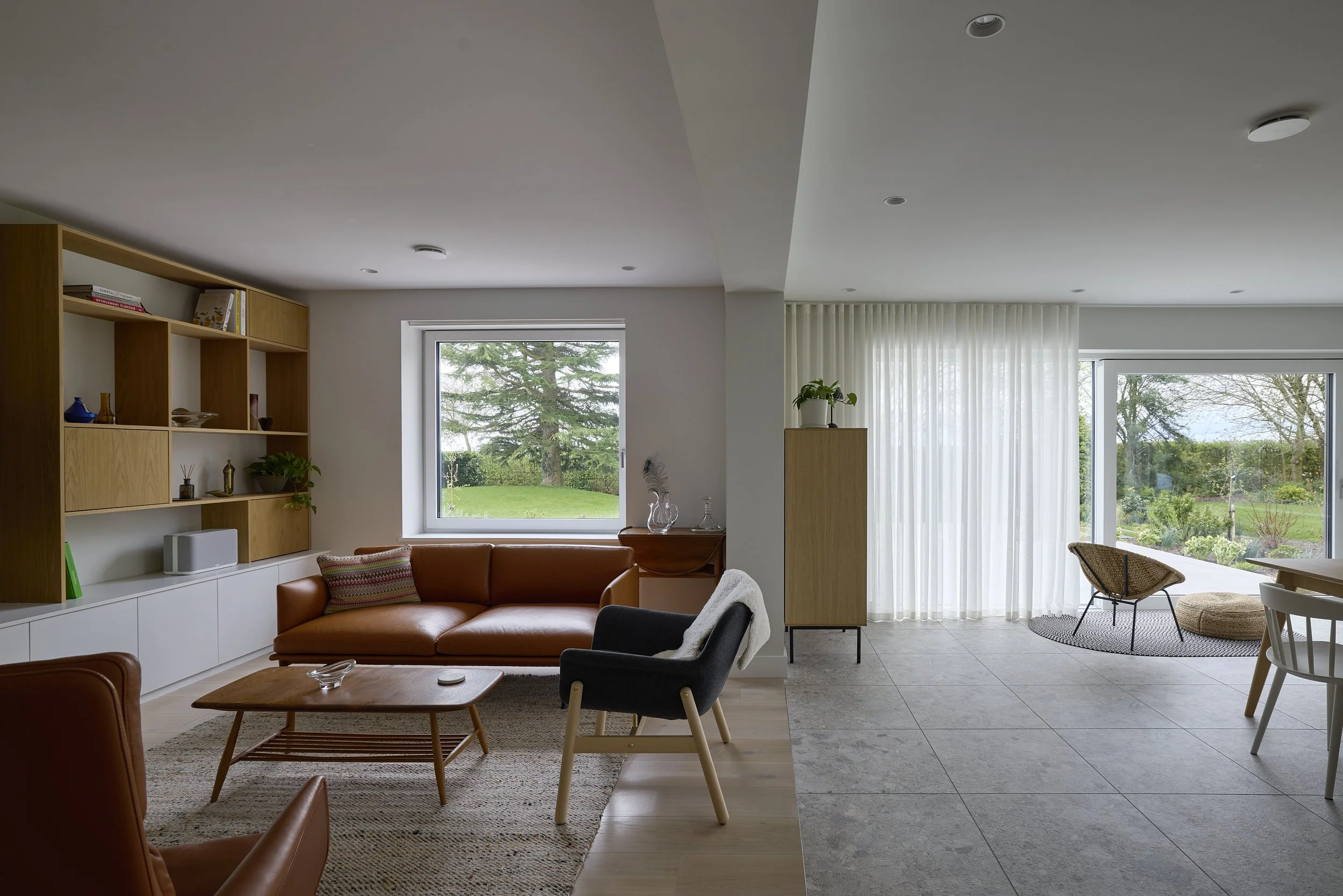
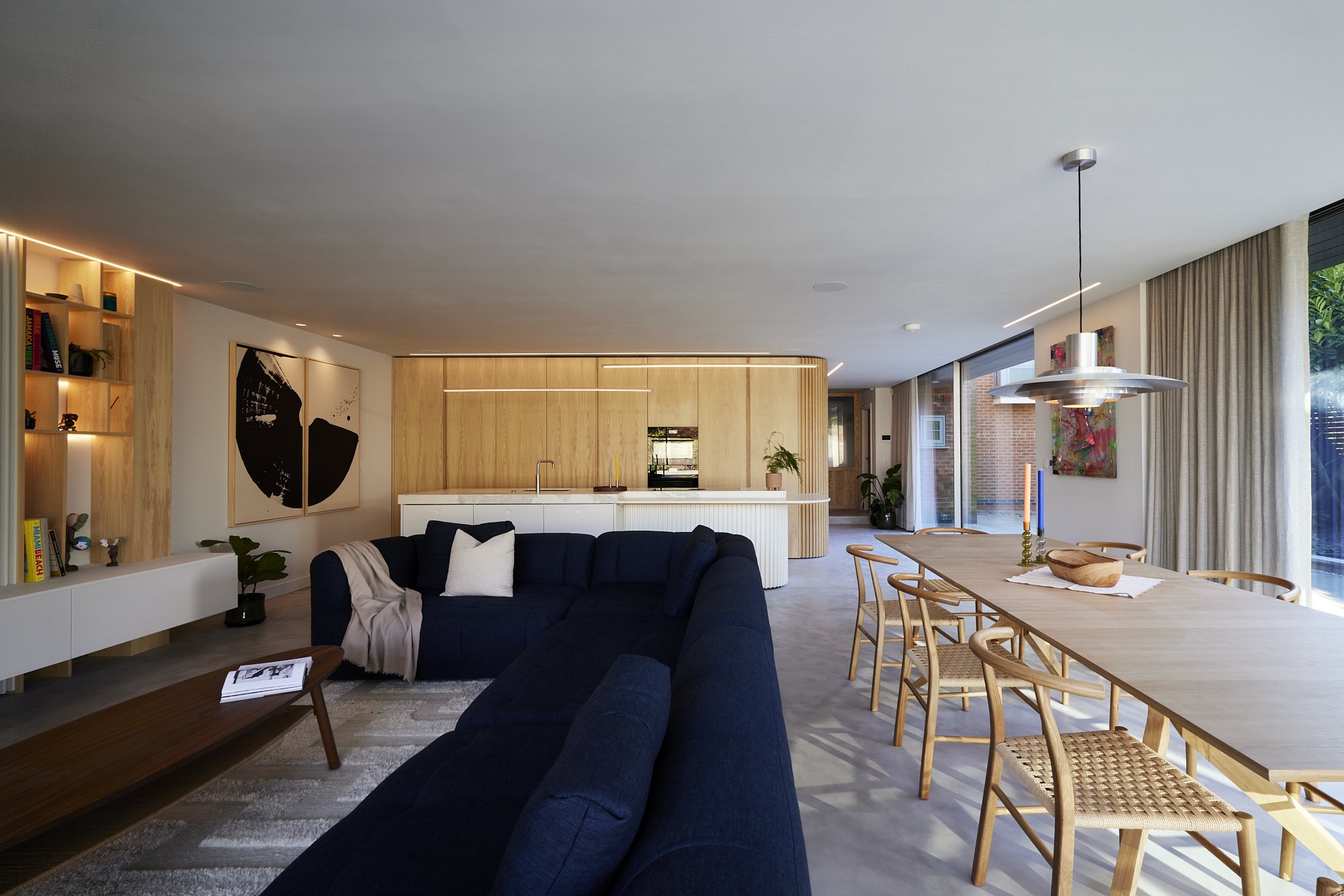
At Pavillon, the relationship between layout, bespoke joinery and natural light was carefully considered to create a calm and connected interior. Integrated storage, curved forms and open sightlines contribute to a home that feels cohesive without drawing attention to any single feature.
Good design is often the result of many small decisions working together.
Reducing Compromises Later
Building projects inevitably involve hundreds of decisions.
When key aspects of a home have already been considered through the design process, it becomes easier to make those decisions with clarity and confidence. Layouts are more resolved, storage requirements are understood and materials can be selected within the context of the wider home.
This does not mean every detail is fixed from the outset. Rather, it provides a framework that helps guide the project as it develops, reducing the need for reactive changes and unnecessary compromises later on.
The result is often a smoother process and a more coherent finished home.
Conclusion
The most successful projects are rarely defined by materials or finishes alone.
Instead, they are shaped by thoughtful decisions made long before construction begins. Understanding how people live, considering how spaces connect and planning for everyday routines all contribute to homes that feel more functional, comfortable and enduring.
Good design is not simply about what a home looks like once complete. It is about creating spaces that support the people who live there from the very beginning.
At Boyes Design, we believe the best outcomes come from considering the bigger picture early — helping to create homes that feel intuitive, connected and designed around everyday life.