You Don’t Need to Extend to Transform Your Home
It’s easy to assume that improving a home means adding more space.
In reality, the biggest improvements often come from rethinking what’s already there — how rooms connect, how they are used, and how they support everyday life.
With a considered approach to layout, materials and joinery, existing spaces can be transformed into something far more functional and cohesive.
Rethinking the Way a Home Works
Extensions can be valuable, but they are not always the answer.
In many homes, the layout simply doesn’t make the most of the available space. Rooms can feel disconnected, circulation can be inefficient, and storage often becomes an afterthought.
By focusing on how spaces relate to one another — rather than simply increasing square footage — it’s possible to create a home that feels more open, balanced and practical.
The Importance of Layout and Flow
Good design starts with understanding how a home is used.
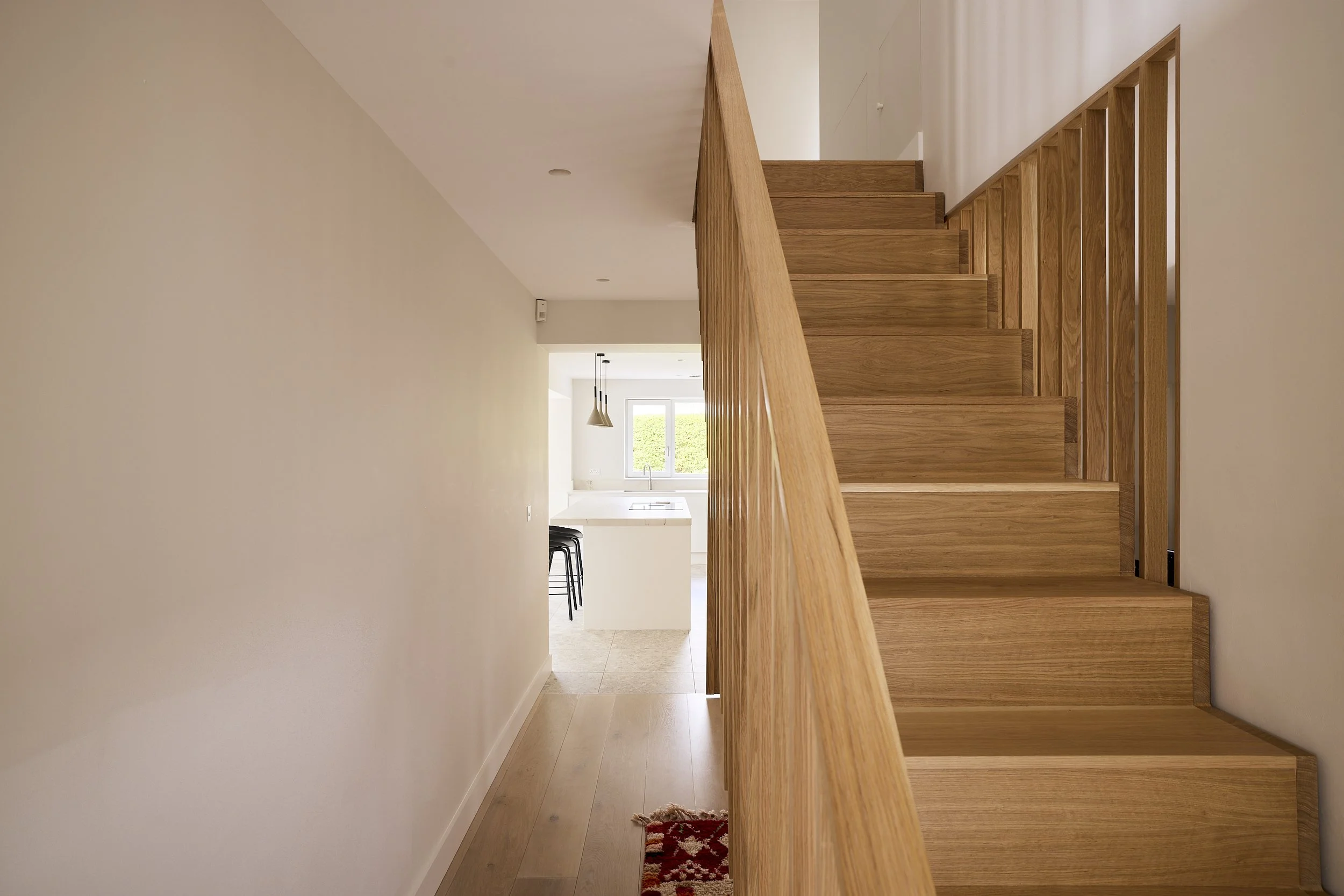
Careful planning of layout and circulation can transform how a space functions day to day. Opening up sightlines, improving connections between rooms and introducing well-considered storage all contribute to a more intuitive and enjoyable environment.
These changes are often subtle, but their impact is significant.
Making Better Use of Existing Space
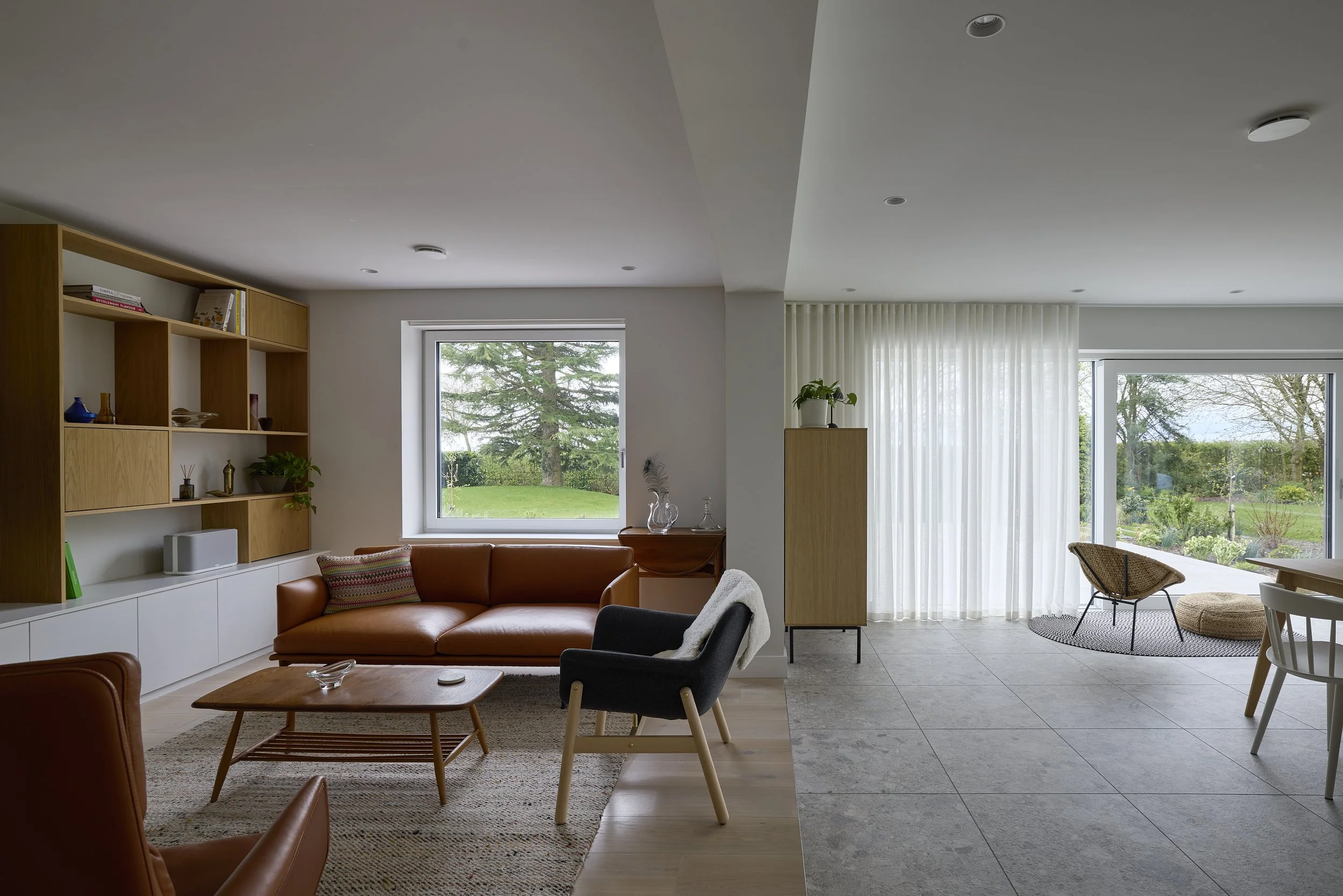
At Mill House Farm, we were appointed to deliver a full interior design scheme, focusing on reworking the existing layout rather than extending the footprint.
While the house had generous proportions, it did not reflect how the family wanted to live. By rethinking the internal arrangement, introducing bespoke joinery and guiding the selection of materials and finishes, the home was transformed into a more functional and cohesive space.
The kitchen, while manufactured by others, was designed as part of the overall scheme, ensuring it sits comfortably within the wider interior.
The result is a home that feels lighter, more connected and better suited to everyday life — all achieved without extending.
When Extensions Do Play a Role
In some cases, an extension can enhance a project — but it should work alongside a well-considered interior, not replace it.
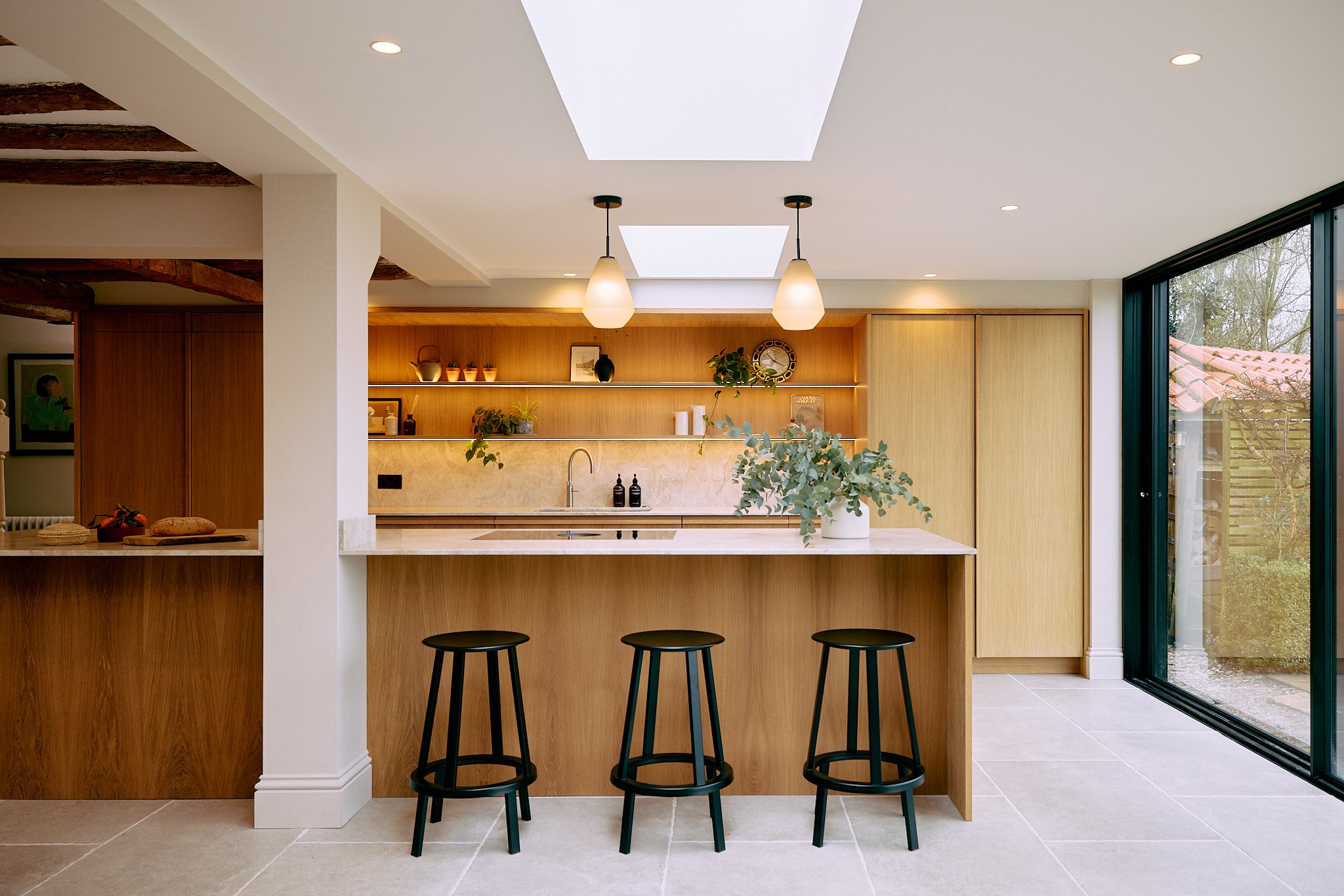
At Farnsfield, the kitchen sits within a new extension, but its success comes from the way it has been designed as part of the wider home. The layout, materials and proportions ensure the space feels integrated and balanced, rather than separate from the existing building.
A More Considered Approach
Transforming a home is not always about adding more — it’s about making better use of what is already there.
By focusing on layout, flow and how spaces connect, it’s possible to create interiors that feel more functional, more cohesive and more enjoyable to live in.
Conclusion
More space doesn’t always mean a better home.
With a thoughtful approach to design, existing spaces can be reimagined to work harder, feel better and support the way people live — often without the need for an extension at all.