
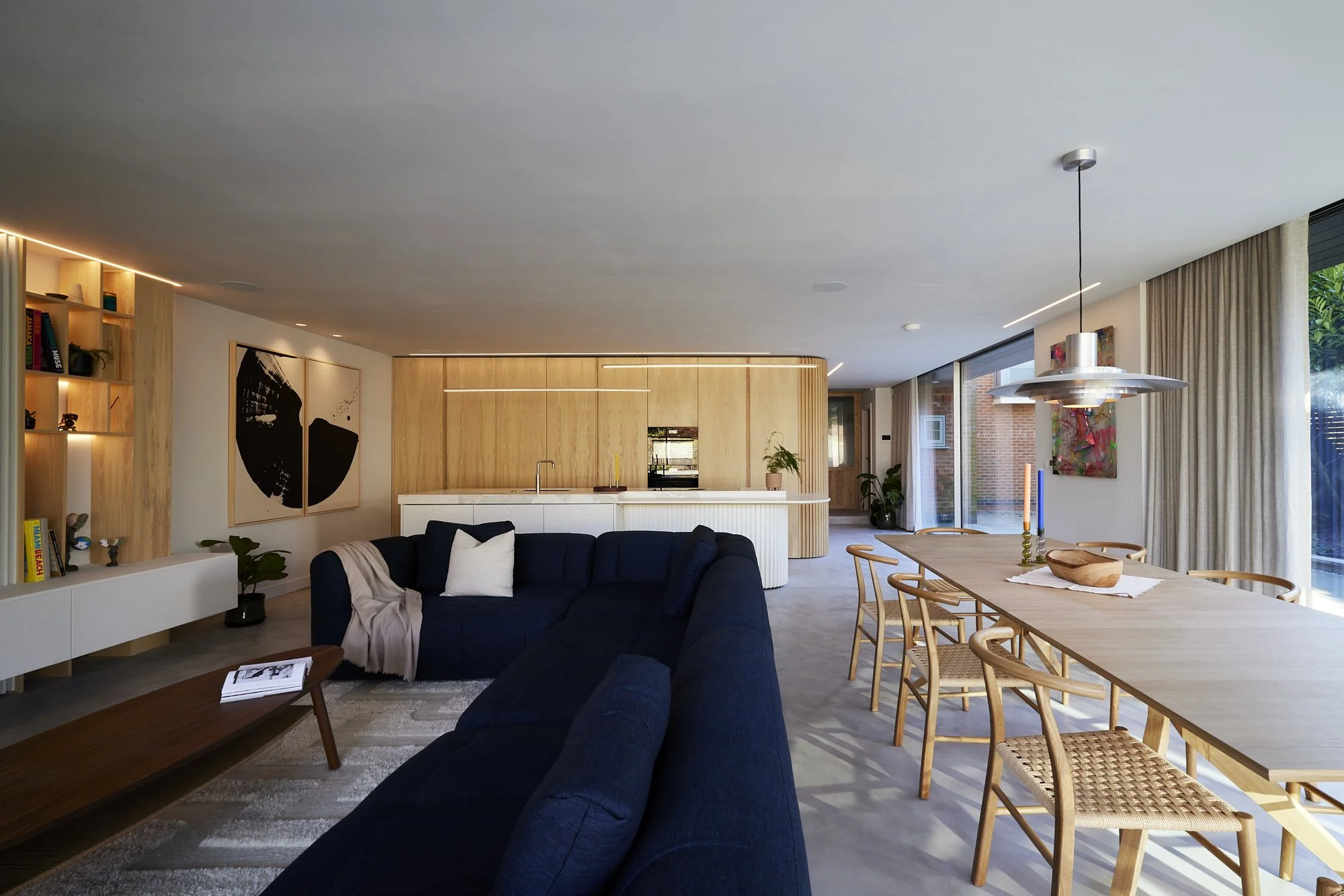
Why Layout Matters More Than Style
A home can look beautiful in photographs, but if the layout doesn’t support everyday life, the space rarely feels comfortable to live in.
Good interior design begins with understanding how people move through a home, how spaces connect and how rooms are used day to day. While materials, colours and furniture all shape the visual identity of a space, layout is what ultimately defines how it feels to live in.
The most successful interiors balance aesthetics with practicality — creating spaces that feel intuitive, functional and calm.
Designing Around Everyday Living
Every home is shaped by routines.
How people cook, gather, relax and move through a space should influence the way rooms are arranged and connected. A well-considered layout improves not only functionality, but the overall experience of living within the home.
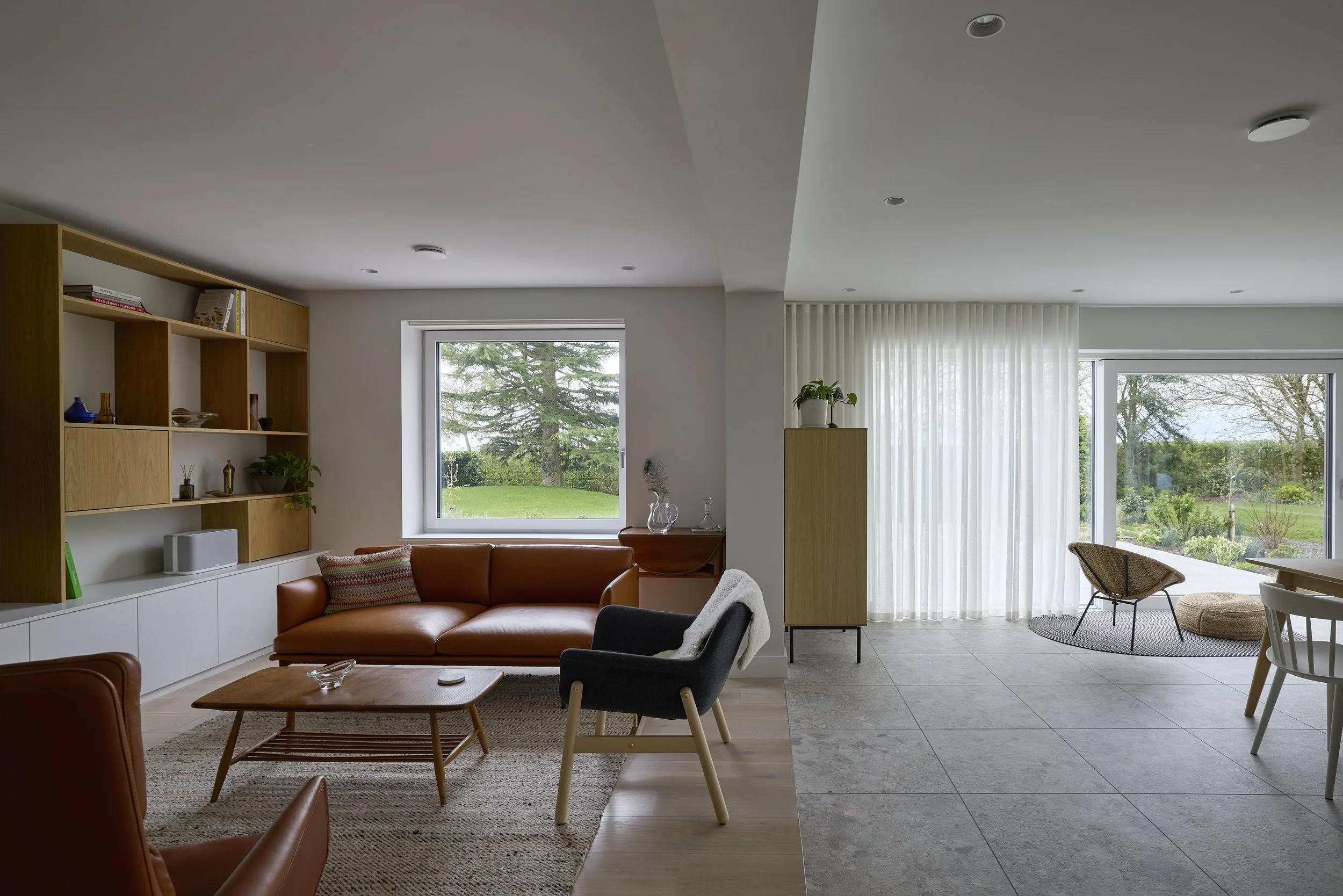
At Mill House Farm in Nottinghamshire, the focus was on reworking the internal layout to better reflect the needs of a young family. By improving circulation, introducing bespoke storage and strengthening the relationship between spaces, the home became more open, connected and practical without extending the footprint.
Creating Flow Between Spaces
One of the most important aspects of layout is how spaces transition from one to another.
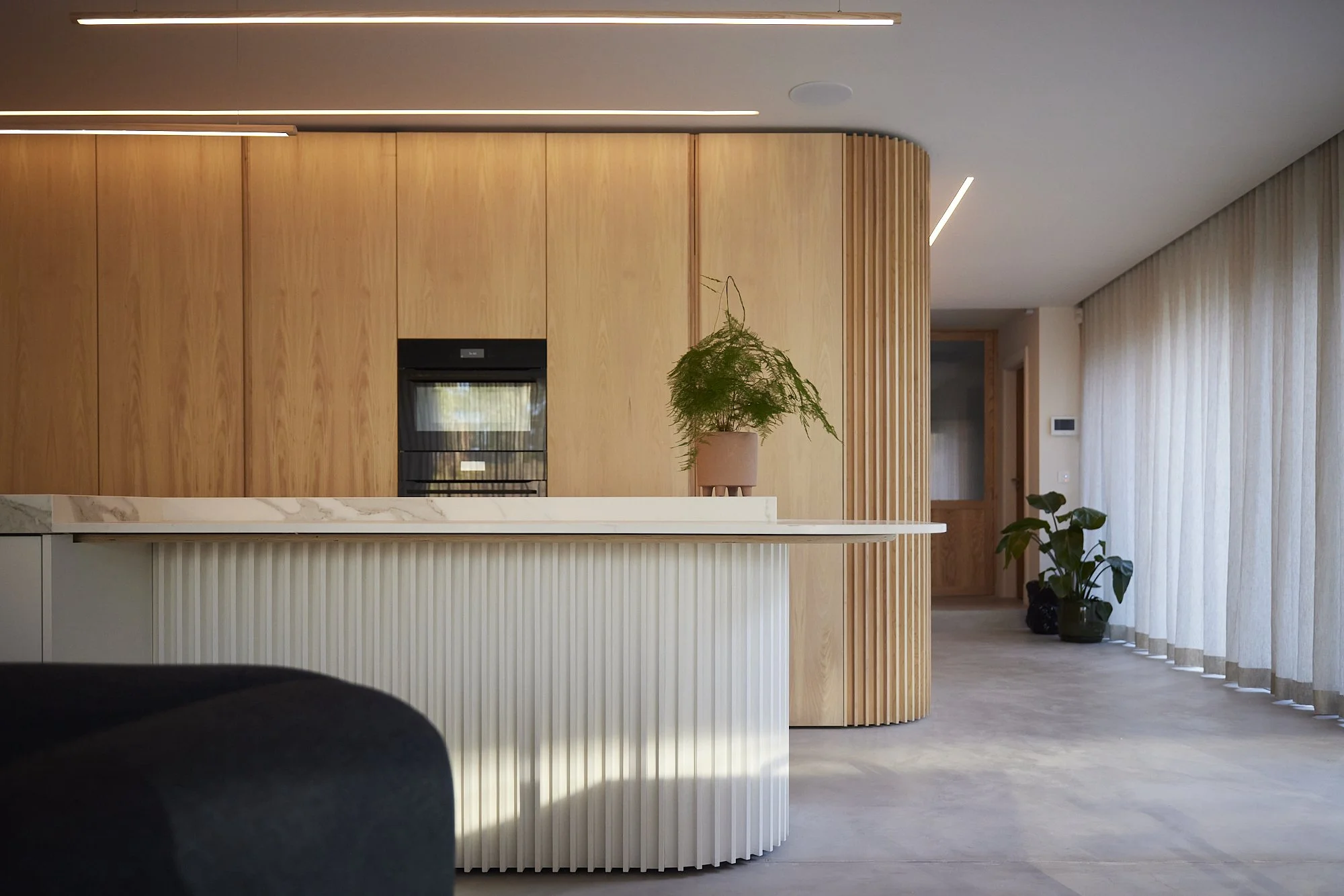
Open-plan interiors should still feel defined and purposeful, with each area maintaining its own identity while remaining visually connected to the wider home. Subtle zoning through joinery, lighting and material changes can help create flow without relying on walls or separation.
At Pavillon, curved oak joinery, integrated storage and carefully positioned sightlines help guide movement through the home while maintaining a calm and cohesive atmosphere.
Storage as Part of the Layout
Storage is often one of the defining factors in whether a home feels calm or cluttered.
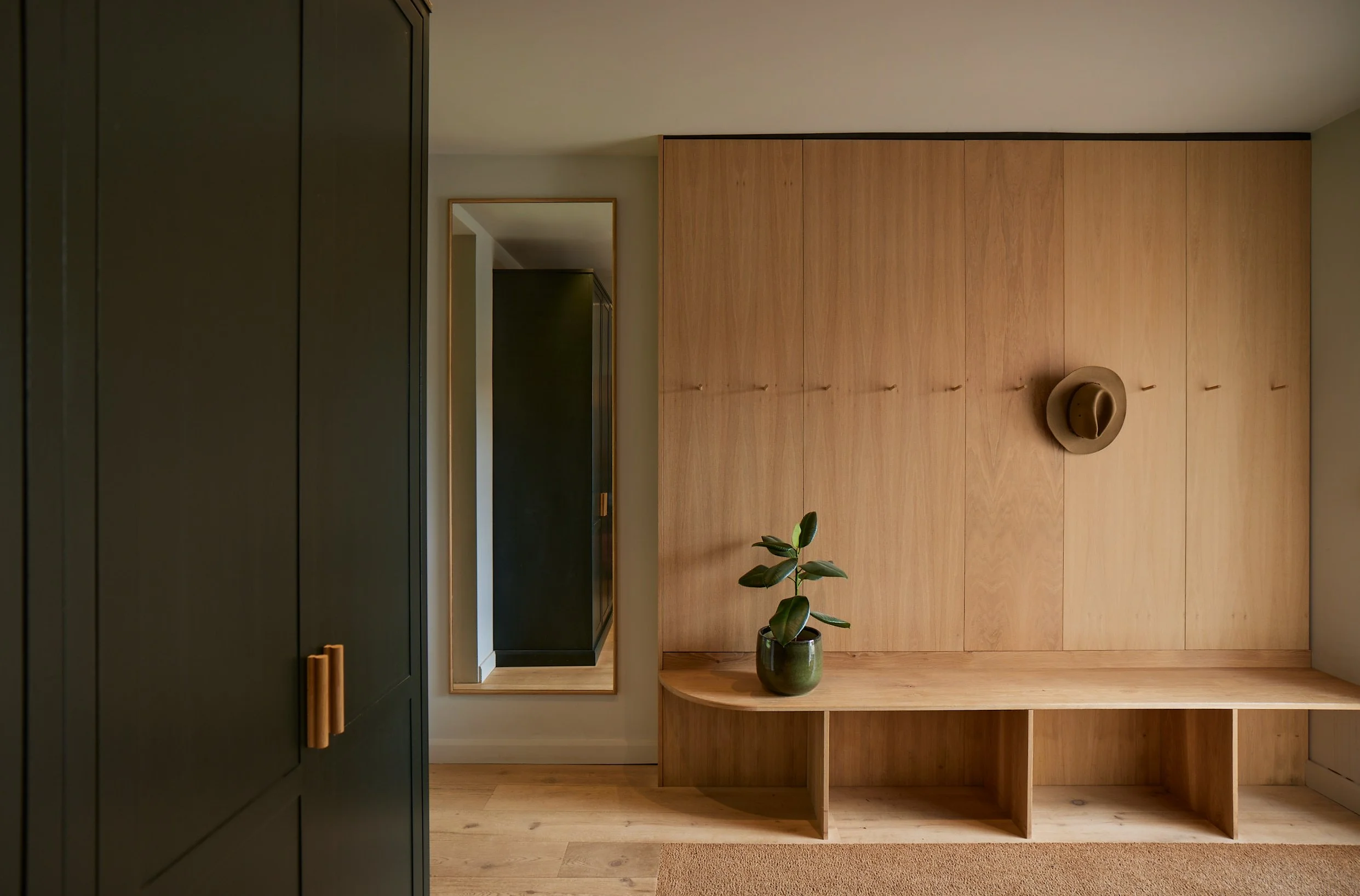
Rather than treating storage as an afterthought, integrating it into the architecture of the space allows interiors to feel more considered and easier to use. Bespoke joinery can improve circulation, maximise awkward areas and support the practical needs of everyday life without compromising the overall aesthetic.
At Wynstay House in Nottinghamshire, tailored joinery within the bootroom creates a highly functional entrance space that remains visually calm and connected to the wider interior palette.
Layout Shapes Atmosphere
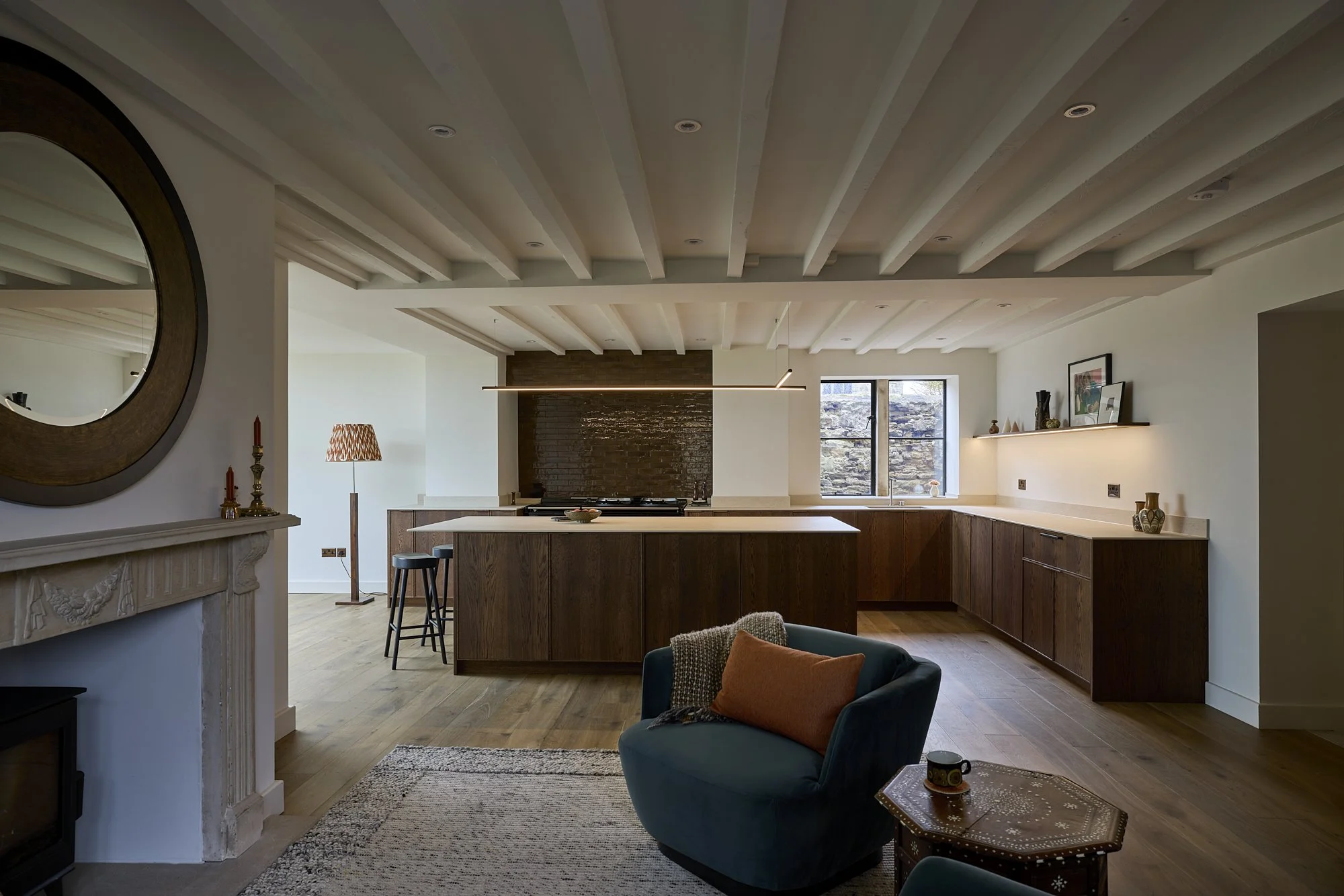
Layout also influences how a home feels emotionally.
Natural light, openness, ceiling height and sightlines all contribute to the atmosphere of a space. Rooms that feel balanced and well-proportioned tend to feel calmer and more intuitive to inhabit.
At The Old Vicarage in Derbyshire, carefully balanced proportions and the relationship between kitchen, dining and living spaces create an open-plan environment that feels warm, connected and easy to live in.
Conclusion
Style can transform how a home looks, but layout transforms how it feels to live in.
The most successful interiors combine both — balancing functionality, flow and atmosphere with carefully considered materials and detailing. When spaces are designed around the way people actually live, homes become not only more visually refined, but more comfortable, intuitive and enduring over time.